
Project Management is a vital component of every successful build, reinforcing our structured framework and approach from concept to completion.
Project management is the single most important aspect of a successful construction project, and for this reason we place it at the very core of our business as an active construction company. Project management is ultimately, organisation, and it influences every element of a project – the customer experience, the working environment, the energy on site, the quality of the product and the finances. It’s important on any site, but when expectations are high and the projects are complex, it becomes critical. With every project, we take advantage of the opportunity to further refine the processes – the way we record data, approach procurement, communicate, form schedules, log site activity and the way we assemble the handover packs and documentation for post completion – every step genuinely matters to us. We know that ultimately it will set us apart when the margins are tight and the competition is strong.
Our Project Management Framework is formed around the three main phases of any project: Pre-Construction, Construction & Post Construction.
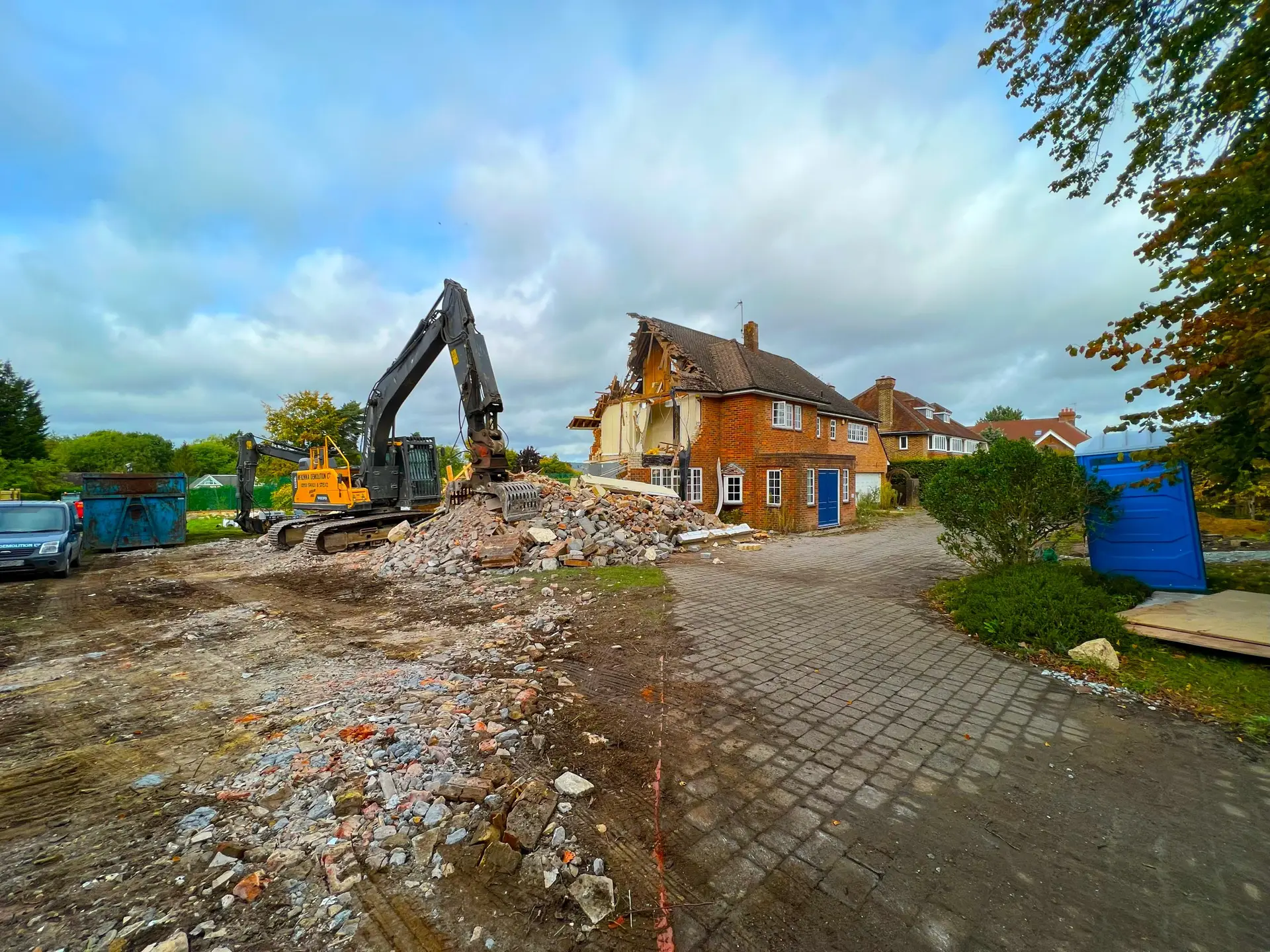
The pre-construction phase is where highly valuable work is completed. Before any of our construction teams steps onto site, the project needs to be properly understood, structured, and planned so that decisions made later are based on clear information rather than assumptions. This stage turns vision and conception into working drawings and specifications with a delivery plan which supports the programme, budget and quality expectations from the outset.
The time and effort we spend planning is rarely ‘lost’ time; it’s time which is gained back later. When scope is defined properly and the sequence of work is rationalised early, the construction phase becomes far more predictable. The aim is to reduce uncertainty by identifying the key constraints, dependencies, and risks while they can still be managed efficiently and proactively. This includes reviewing the design information in detail, checking for potential conflicts, and clarifying responsibilities across the project team so that everyone is aligned before work begins.
Pre-construction is also where project controls are established. A structured programme provides a realistic framework for coordinating trades, materials, and site activity. Our cost management is developed alongside this, using the programme and available pricing information to build accurate forecasts and maintain financial control throughout delivery. We also use this exercise to assess risks that could affect time, cost, or quality – whether these relate to logistics, procurement lead times, design complexity, or external factors – and put plans in place to deal with them in an orderly fashion.
Health and safety planning is built into this process rather than treated as a reactive concern. Construction Phase Plans, Risk Assessments and Method Statements are developed with the specific project conditions in mind, ensuring the site is set up correctly and safe working methods are understood before work starts.
We understand how critical clear communication is during the planning stages, and quickly establish how information will be shared, how decisions will be recorded, and how external stakeholders will be kept informed which helps prevent delays and misunderstandings later. It also supports smoother coordination with neighbours, consultants, and third parties when needed.
Once our construction teams start on site, the focus shifts from planning to controlled delivery. The progress is only as strong as the systems behind it – and during the construction phase, we centre the system around regular checks, clear communication, and constant reviews. This stage isn’t just about building; it’s about maintaining momentum while protecting quality, safety, and programme through consistent oversight.
Even with thorough pre-construction planning, every project will evolve throughout the programme. Sequencing can change, packaging constraints arise, external procurement can be compromised, minor design queries need resolving, and the key is how these changes are managed. Rather than allowing small issues to build into major delays, we rely on continuous monitoring and structured performance tracking. This allows us to make small adjustments early, keeping the programme realistic and maintaining control over time, cost, and quality.
On-site, inspections and reporting play a major role in day-to-day management. Our teams complete and record regular internal inspections covering everything from welfare standards and housekeeping to security, scaffolding, and other key safety-critical items. By using a centralised mobile app with bespoke inspection templates, we create a consistent approach across site activities and ensure that compliance and good practice are documented.
Alongside internal checks, we coordinate external inspections required for compliance and assurance. This includes building control and warranty inspections, as well as third-party health and safety reviews and presentations, ensuring independent oversight is built into the programme and any actions are captured and addressed promptly.
Communication during construction is equally structured. Weekly site meetings keep the delivery team aligned on current and upcoming programme activities, while formal progress meetings with clients and the wider team provide regular updates, clear reporting, and an opportunity to resolve decisions without disruption to the schedule.
Quality remains a constant priority throughout. High standards are expected from everyone working on our sites, but we still track, inspect, and verify key details to ensure the finished work reflects our benchmarks.
The construction phase is where project records are built in real time, something that is often overlooked and easily taken for granted. We collate inspections, warranties, operating and maintenance information, and compliance documentation throughout the project so that handover is organised, complete, and seamless.

As construction nears completion, we get to work putting the right documentation, certification, and aftercare in place. Post-construction is the stage where everything is checked, recorded, handed over, and supported, ensuring that what has been delivered on site is matched by the same standard of professionalism in the final details and paperwork. This phase is about completing the project in a way that is practical for our clients and fully compliant for sign-off. It includes the final inspections that confirm the quality of the work, the submission of certification required for building control, and the careful preparation of records that will support the building long after handover. Done properly, post-construction reduces confusion, protects our clients, and ensures that all building elements can be maintained and operated correctly.
We ensure that every one of our projects are professionally cleaned and detailed prior to handover, leaving our clients with a brand-new space. From there, we conduct in-depth completion inspections, reviewing every part of the completed work and addressing any final snagging, ensuring our rigorous standards are met. We feel that handover itself should be a practical process, rather than a formality, by carry out a full walk-through with our clients, explaining how new systems and equipment operate, and ensuring they feel confident using and maintaining what has been installed. These walkthroughs are accompanied by a fully compiled Operations & Maintenance manual, giving clear guidance on care requirements, warranties, and system operation.
In readiness for project completion, we assemble a full documentation pack that includes a contacts directory for all key trades, as-built drawings, service mark-ups, specification records, and all relevant certificates. This pack provides a clear reference point for future maintenance, upgrades, or compliance checks and ensures the project record is complete and accessible. Even after completion, our responsibility to you, as your project manager and contractor continues. We returning after 12 months post completion, to carry out any rectification snagging and remain available for any ongoing support, no matter what. From small tasks, through to full maintenance planning, we can tailor packages to suit you.

We use cookies to improve your experience. You can accept, reject, or manage your preferences.
Our post-construction phase framework.
Our construction phase framework.
Our pre-construction framework.
Our compliance commitments: