
By blending years of construction experience with the demands of luxury design and modern living,
our approach is proven to successfully deliver complex projects to the highest standards.
At Taylor Kings, we believe that successful construction projects are based on considered design, cohesive teams, meticulous planning and thorough management – all of which supports exceptional execution on site.
After years of working on site at the highest level, it became clear how Jeremy and Joseph could deliver real-world value to the projects they were a part of. As Taylor Kings has matured and grown as a business, we’re now confident in our ability to offer not only first-class main contracting construction services, but also pre-construction project consultancy and ongoing management, in one complete package.
As a construction company, we do not insist on being involved during the pre-construction phases carried out by your architects, engineers and interior designers. But we have become cautious if this is not the case, as we strongly believe there are huge benefits to our clients by having a competent, centralised party involved throughout the entire project.
By being involved from conception, we can apply our experience whilst working alongside professional design teams, before moving into construction, meaning we can take responsibility for how your build comes together – from the first ideas and budget, all the way through to completion and aftercare.
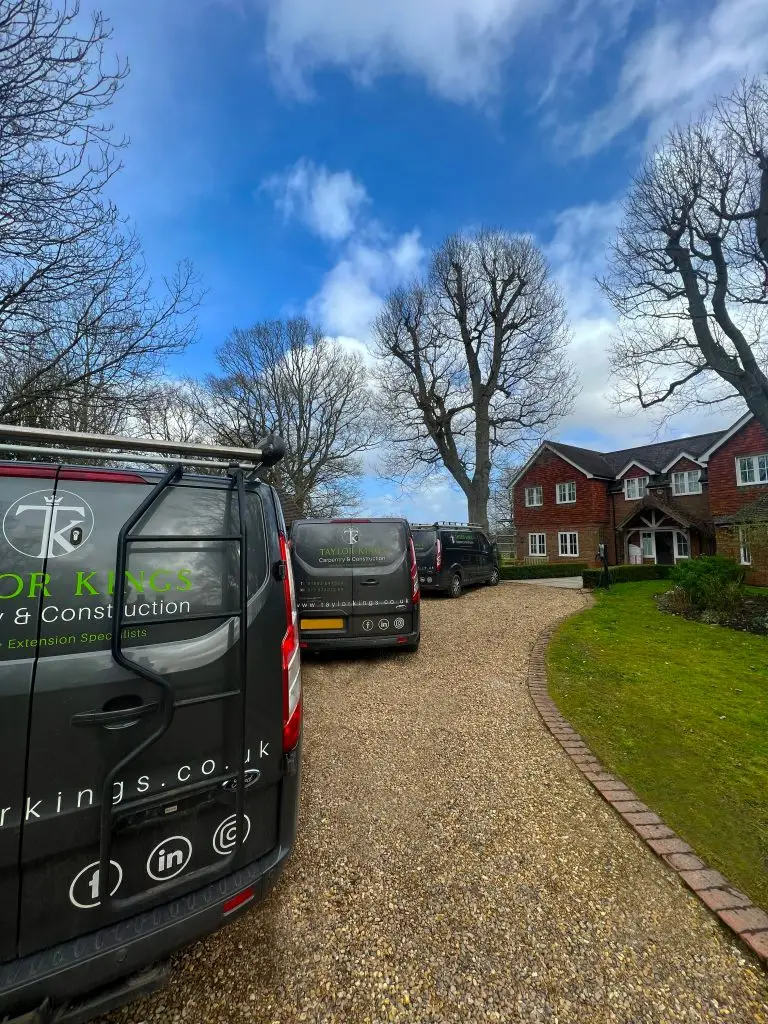
We have come to understand the importance of being patient and calculated before starting construction on site.
It is very easy for clients and even contractors, to fall into the mindset that they must get started as quickly as possible on site. And whilst it is largely true that ‘action on site’ is progress, you must also understand that premature starts are almost always damaging to the overall success of a project.
It is widely accepted that there are six main stages to a construction project.
Although it may seem obvious, the most expensive part of any building project is the physical construction. For this very reason, it is prudent to spend as much time as possible in design and planning (stages 1-4), before getting started on-site. Like all aspects of any project, the amount of resource given to the ‘pre-start’ must be measured and considered, but the more details that can be understood and agreed, the better.
With all of the required information, questions answered and details in hand, an experienced contractor that has carefully planned the construction phase, has little reason to stutter or stumble once on site. Yes, the real world is sent to challenge the best laid plans, but the risks are minimalised when enough effort has been applied to the early project stages.
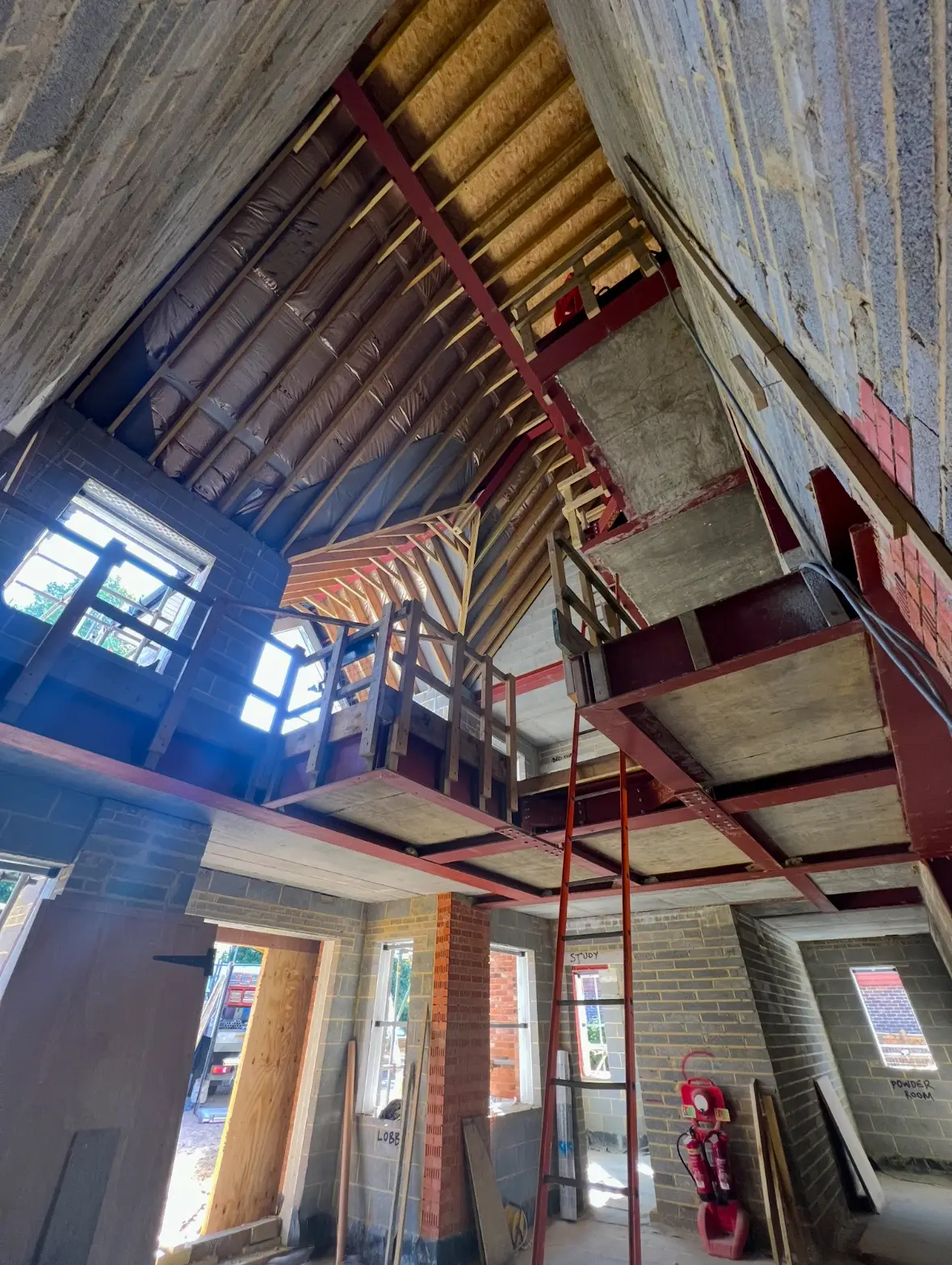
Budgeting in complex prime residential construction requires huge levels of effort to get right. And it is the single most important factor for clients and contractors.
Any contractor will tell you that pricing work is challenging.
Despite the challenges, at Taylor Kings we believe that it is possible to price projects accurately for our clients – but there is no escaping that the only way to achieve this, is to sit and spend the time doing it properly.
By using our collated data from previous projects, and by going out to our trusted network, we would rather work for many hours, days and weeks to achieve the right number, than present an attractive figure just to win the work.
Our ethos for pricing projects is simple –
– We don’t price projects to win them, we price to complete them properly, on budget.
– The best price is not the cheapest one, but the one that has considered every detail.
– “Over budget and over time” was actually just under-priced and overly optimistic – with no room for risk.
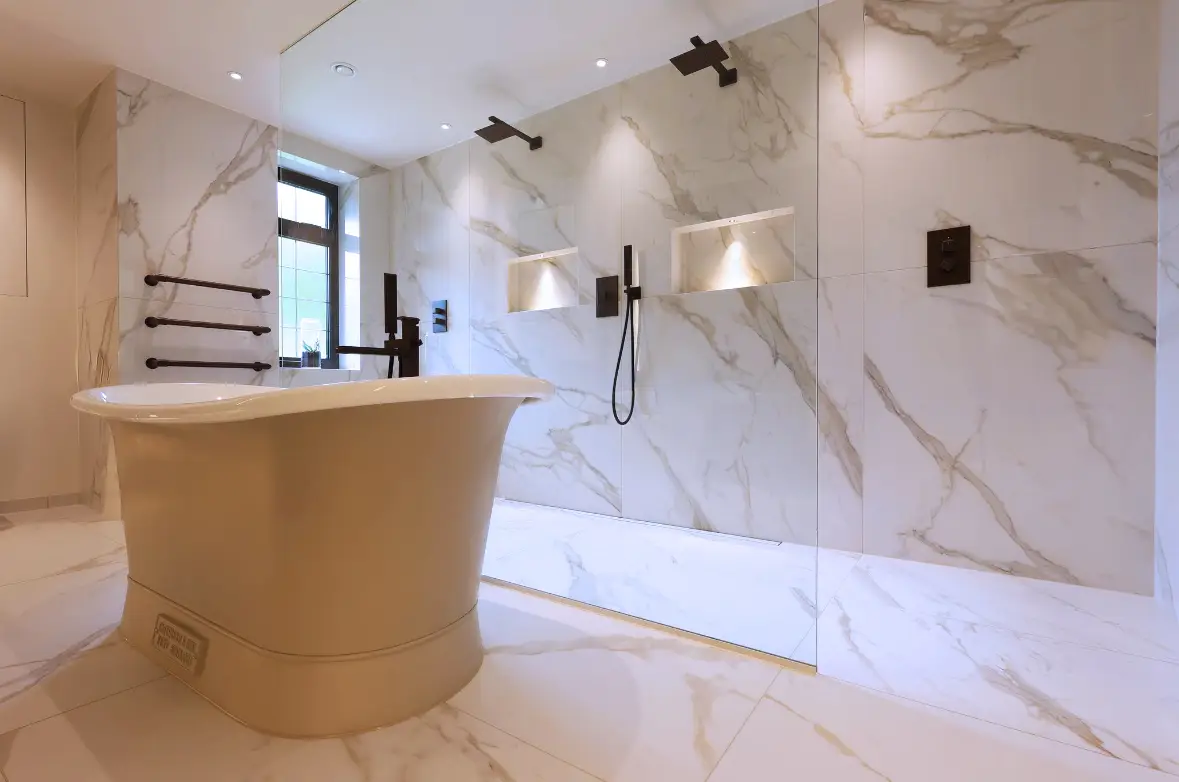
Being meticulous in project planning and exacting during construction is no longer enough to see a build completed. Your contractor must submit various certificates to obtain a Completion Certificate from your local authority or independent building inspector. The project size and complexity will dictate the amount of paperwork that is expected, but for a new house in the South East, it is quite extensive. Click here to see an example of the documentation required.
We take this role seriously, ensuring that we leave our clients with clear, easy to use information packs, presented in digital and printed mediums. These cover all of the certification, which is required for future property conveyancing, as well as the day-to-day running instructions, maintenance directions & a contacts directory for each of the installed systems.
Besides the initial hand over at project completion, we always carry out twelve-month, post-completion snagging and can arrange for ongoing maintenance packages to be put in place, ensuring that our clients are looked after in anyway required.
We are incredibly proud of our aftercare and customer service, which stands long after completion.
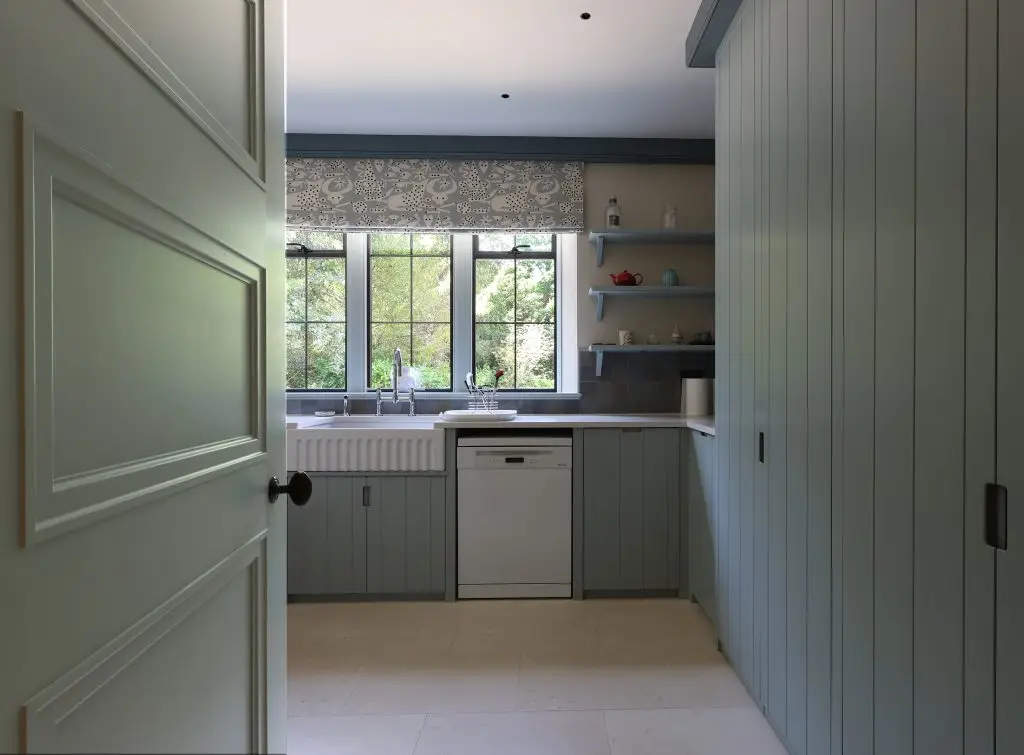
We take the security and privacy of our clients incredibly seriously and always act with the highest regard for discretion. We have been fortunate enough to work for many interesting and highly successful individuals in the region (and on certain projects which we cannot publicly disclose). It is never lost on us when we are invited into people’s homes and secure spaces to carry out work.
Our pivotal role within projects will often see us involved in sensitive conversations about security measures and other personal requirements for our clients. For this reason, we are incredibly careful about sharing any information, however insignificant, and ensure that we select professionals and tradespeople who we believe we can trust in their given roles.
Like all proud creatives, we love showing off what we can do – but only where it is appropriate to do so. We appreciate that it is a privilege to be trusted to work on the residences that we do, and we will always respect the wishes of our clients.

The best place to start is by discussing your vision and requirements with an experienced consultant. Whilst some extensions and remodels are incredibly straight forward, others – along with new homes – can be rather challenging, and require careful consideration. At Taylor Kings, we use our experience to guide clients through quick feasibility exercises before moving forward. – See our Consultancy Page for more.
Construction companies love to advertise under the Design & Build title – implying they design in-house, using their own architects, designers and engineers to create plans, technical drawings and structural calculations. This is incredibly rare and can be slightly mis-leading, because almost all of these companies are actually offering a ‘turn-key’ service, using third party professionals.
Whilst we use our experience to add valuable insight to design, we are not architects, structural engineers or designers. Instead, we work cohesively with professionals across a complete range of services – allowing us to offer our clients flexible, tailored project packages. – See our Consultancy Page for more.
These are various financial approaches used to agree how much a project will cost. It is very important you understand the difference between them and what ‘is’ and ‘is not’ included in any agreement you have with a contractor.
An Estimate is a figure which is put forward by your contractor, generally for works which are hard to offer a fully fixed price on – usually because there are some ‘unknowns’ or missing information. The final figure should be quite close to the original estimate while allowing the contractor to make their preferred margin.
A Fixed Price is self-explanatory, your contractor is comfortable enough to offer you a solid price for the agreed work. In this model, the contractor will have built in a small margin within their overheads and profit to cover for risks such as unforeseen problems or material cost increases – A fixed price is likely to be stronger that an Estimate.
Cost Plus is a transparent pricing model, where the contractor and client agree to a smaller profit margin, on top of the costs directly associated with the project. The reduction in the profit recognises that the client is sharing the risk and placing a lot of trust in the contractor to perform with efficiency and honesty. Whilst a lot of people within the industry advise clients not to go down this route, it can be a very good option and in some cases, almost the only way to proceed.
A PC Sum is a Prime Cost Sum, which is sometimes referred to as a provisional cost sum.
A PC Sum is an allowance included in your builder’s quote for items that either, haven’t been chosen at the time of pricing, or require further investigation to accurately quote. Once your project is underway, these figures are fixed based on your decisions and can see the overall quote fluctuate significantly.
For example, a PC Sum might be included as an estimate for the sanitaryware in your bathrooms.
It is very important that you go over any PC Sums and check to make sure that the amounts included are ‘sensible’. Often contractors will insert low or unrealistic figures to ensure their quote remains competitive.

We use cookies to improve your experience. You can accept, reject, or manage your preferences.
The Six Main Stages To Any Construction Project:
Any contractor will tell you that pricing work is hard for the following reasons:
Examples of documentation required for a new build home in the South East.
Our post-construction phase framework.
Our construction phase framework.
Our pre-construction framework.
Our compliance commitments: